In the world of adaptive reuse in Connecticut real estate, we often find ourselves caught between two powerful forces: a deep reverence for our industrial history and an urgent, modern need for roofs over our heads. As a mortgage professional who has watched the Nutmeg State’s landscape shift over the years, I’ve seen the struggle firsthand. We have the jobs, we have the demand, but we simply do not have enough front doors.
This brings us to a concept that is rapidly becoming a cornerstone of our local development: adaptive reuse in Connecticut. It’s the practice of taking a building that has outlived its original purpose—like a 19th-century textile mill or a vacant office park—and giving it a second act as residential housing. This isn’t just about preservation; it’s about survival in a market where inventory is at historic lows.
The Connecticut Housing Crisis: Why We’re Short on Supply
To understand why adaptive reuse is trending, we have to look at the numbers. Connecticut is currently facing a deficit of tens of thousands of housing units. For years, the “supply and demand” scale has been tipped heavily toward the latter. When I sit down with prospective homebuyers at Burke Mortgage, the conversation almost always turns to the frustration of limited choices.
Low inventory does more than just drive up prices; it stagnates the entire economy. Young professionals can’t move closer to work, and seniors can’t downsize within their own communities. Traditional new construction—single-family suburban developments—often runs into hurdles like limited land availability and strict local zoning laws. This is why looking inward at our existing structures is no longer just a “green” alternative; it is a mechanical necessity.
The “Mill Town” Legacy
Connecticut was the engine of the American Industrial Revolution. Our rivers are lined with massive brick structures that once produced everything from brass to silk. For decades, many of these sat hollow. Today, they represent our greatest opportunity for high-density, character-rich housing.
Vernon, CT Leads the Way: The Amerbelle Mill Transformation
One of the most exciting examples of this trend is happening right now in Vernon. Recently, the state announced a significant $2.5 million grant from the Community Investment Fund to facilitate the redevelopment of the Amerbelle, Daniel’s, and Anocoil mill complex in Rockville.
As a mortgage broker, I watch these grants closely because they signal where the next wave of inventory will come from. The Vernon project is a massive undertaking by Camden Management Partners, aimed at creating over 200 units of much-needed housing. This isn’t just a win for Vernon; it’s a blueprint for the state. By cleaning up environmental contamination (brownfield remediation) and reinforcing historic timbers, we are creating “new” land where none existed before.
Why the Vernon Grant Matters
The financial bridge provided by the state is crucial. Adaptive reuse is notoriously more expensive than building from scratch on a green field. You have to deal with old lead paint, asbestos, and structural quirks. However, the payoff is a community- centric development that brings life back to a downtown area, increases the local tax base, and—most importantly—adds 200+ units to our starved inventory.
The Mortgage Perspective: Financing the Unique
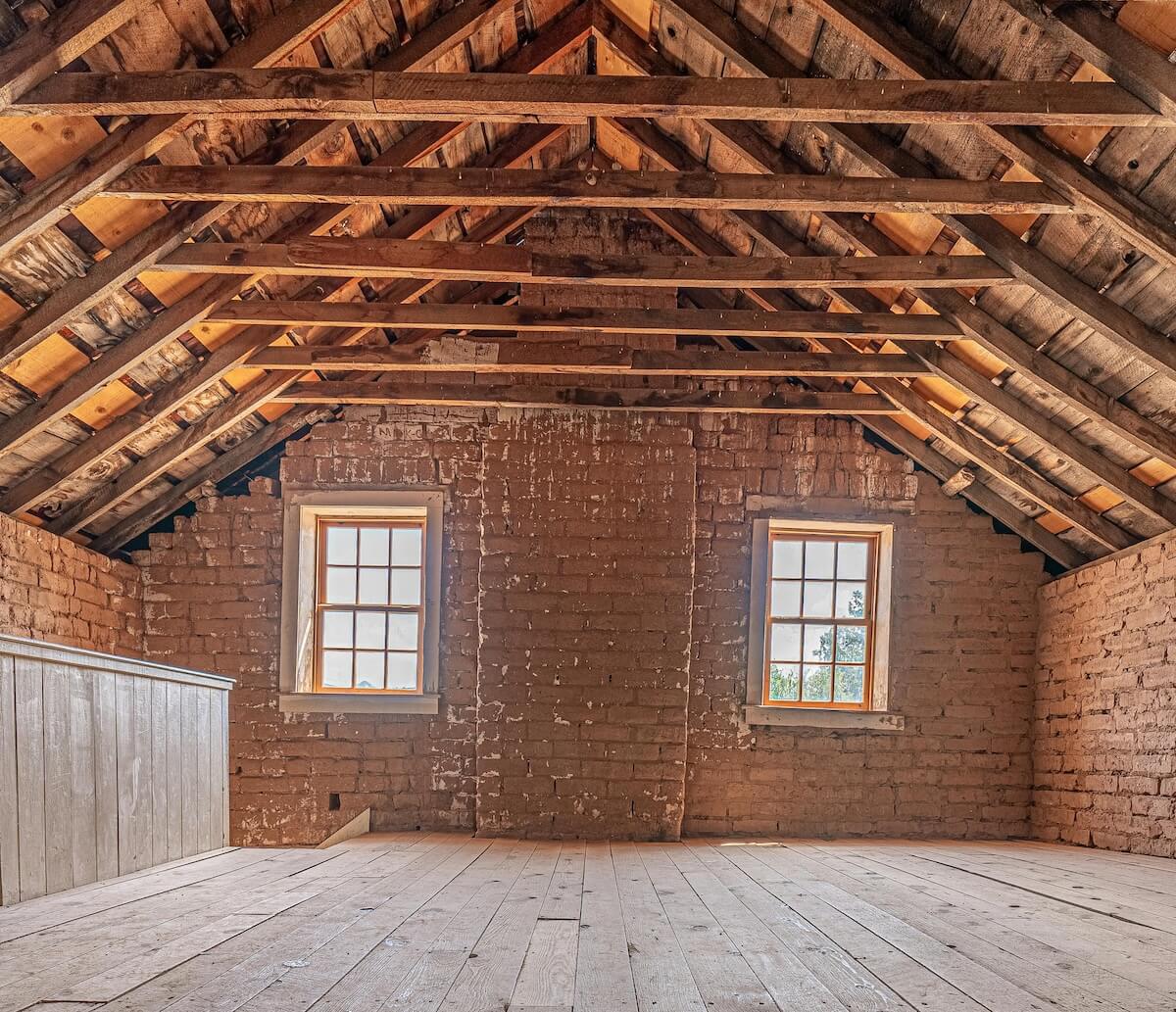
From my desk at Burke Mortgage, I see how these projects change the game for buyers. Adaptive reuse units often qualify for specific types of financing, and their unique aesthetic—exposed brick, 15-foot ceilings, and massive windows—appeals to a demographic that might not want a standard suburban colonial.
When these units hit the market, they provide “workforce housing”—homes that are affordable for teachers, nurses, and local professionals. This stabilization of the mid-tier market is exactly what we need to keep Connecticut competitive. When people can afford to live where they work, the entire mortgage ecosystem becomes healthier.
Adaptive Reuse in Connecticut: A Sustainable Future
Sustainability is the silent partner in the adaptive reuse movement. The greenest building is the one that is already built. By reusing the “embodied energy” of the Amerbelle mill’s brick and mortar, we reduce the carbon footprint associated with new construction. It’s a way to grow our housing stock without infringing on our remaining open spaces and forests.
Furthermore, these projects are often “transit-oriented,” located in town centers where residents can walk to coffee shops, libraries, and public transportation. This reduces the strain on our infrastructure and creates the kind of walkable, vibrant neighborhoods that the next generation of homebuyers is searching for.
Looking Ahead: The 2026 Outlook
As we move through 2026, I expect to see more towns following Vernon’s lead. With interest rates beginning to show signs of stabilizing, developers are more eager to take on these complex projects. For the Connecticut homebuyer, this means that while the market remains tight today, the “pipeline” is finally beginning to look more diverse.
At Burke Mortgage, we remain committed to helping you navigate this changing landscape. Whether you are looking at a sleek new loft in a converted Vernon mill or a traditional home in the hills, understanding the market trends—like the rise of adaptive reuse in Connecticut—is key to making a smart investment. Contact Burke Mortgage.